Perhaps the most mystic question in investing is this: What is intrinsic value?
A solid way to compute it is:
Intrinsic Value = Future Expected Earnings × Duration × Appropriate Discount Rate
But life can’t be summed in a formula. I contend that intrinsic value is romantic in the truest sense. It reminds me of relationships. At first, attraction is external we notice someone and decide they are “our type.” But as we get to know them, the unexpected happens. The person who seemed perfect might lack depth, while someone we overlooked suddenly feels right. They make us laugh, understand us, and click with our values.
That spark that invisible alignment is how I see intrinsic value in a business. Some businesses may look impressive on paper, yet lack the substance to endure. Others may seem unremarkable initially, but over time reveal a depth and reliability that compounds quietly, steadily, and powerfully.
Management: The First Source of Intrinsic Value
Management quality is perhaps the most important, yet least measurable, source of intrinsic value. Dr. Edward Altman from NYU has an unforgettable metaphor: management can be like mosquitoes small, sometimes invisible, yet capable of draining your resources and spreading financial disease without your knowledge.
Good Examples:
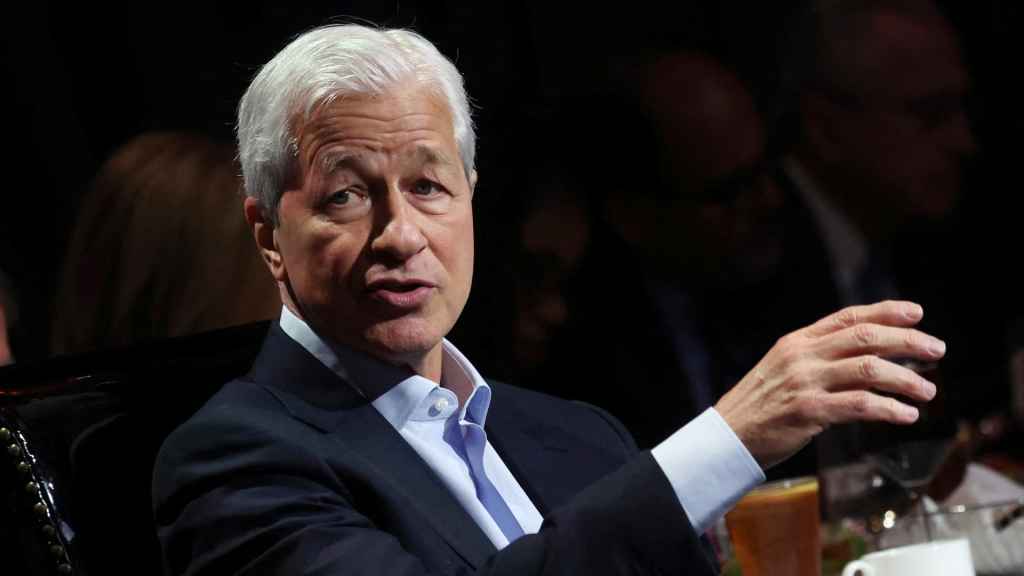
- Jamie Dimon at JPMorgan: During Italy’s debt crisis, he instructed employees to stay when others fled, signaling reliability and earning trust.
- Warren Buffett: Returning capital to shareholders when good opportunities were scarce, demonstrating integrity and discipline.
- Buffett’s approach overall: Transparent accounting, careful debt management, and shareholder-friendly decisions strengthen long-term trust.
- Johnson & Johnson: Conservative financial practices and risk management ensure stability across decades.
Bad Examples:
- Heinz CEO (historical): Spending excessively on trivial office items reflected bureaucracy and misaligned incentives, quietly eroding value.
- Enron Executives: Aggressive accounting and short-term thinking created the illusion of profitability while risking collapse, demonstrating how poor leadership can destroy even the strongest business model.
Good management creates enduring value through sound decisions, culture, and behavior. Poor management, even if subtle, can quietly erode profits, reputation, and long-term sustainability. The difference is often invisible at first but becomes catastrophic over time.
Supply Chain and Operational Embedment
Intrinsic value often hides in how a company is structured to operate efficiently and reliably. How a company delivers its product can be a huge source of intrinsic value. A deeply embedded supply chain ensures resilience, cost efficiency, and scalability.
Good Examples:
- Coca-Cola: Bottling plants established globally during wartime created a network that persists to this day, embedding the brand in daily life worldwide — from Disneyland to the Great Wall of China.
- Dell: Its PC supply chain and IT relationships made it nearly indispensable in corporate environments.
Bad Examples:
- Kodak: Failed to adapt its supply chain to digital photography, letting competitors capture markets it once dominated.
- Borders: Outsourced distribution and inventory poorly, leading to chronic stock-outs and eventual collapse.
A strong operational network creates resilience and reinforces competitive advantage. Weak operations leave a company exposed to disruption, inefficiency, and declining relevance.
Low Cost and Operational Efficiency
Companies that can produce efficiently without sacrificing quality accumulate value over decades. A company’s cost efficiency and capital allocation decisions directly affect intrinsic value. Being able to generate returns without overspending is critical.
Good Examples:
- Berkshire Hathaway: Conservative acquisitions and disciplined capital deployment create compounding returns over decades.
- Southwest Airlines: Maintained low-cost operations while still delivering consistent service, creating long-term competitive advantage.
Bad Examples:
- WeWork: Excessive spending on offices and perks without sustainable cash flows destroyed intrinsic value quickly.
- Theranos: Lavish operational spending masked the absence of a viable product, eroding investor trust.
Capital discipline amplifies value over time. Waste and extravagance, even with strong top-line growth, can silently destroy it.
Brand and Cultural Value
Intrinsic value often lies in a brand’s cultural resonance and deep consumer adoption. The emotional and habitual connection with customers can be as valuable as any financial metric.
Good Examples:
- Coca-Cola: More than a beverage, it represents happiness, nostalgia, and global familiarity.
- Apple: Brand loyalty and ecosystem lock-in allow premium pricing and repeat customer engagement.
Bad Examples:
- PepsiCo during New Coke: Misreading cultural sentiment temporarily damaged brand trust.
- BlackBerry: Strong brand in corporate circles, but failure to adapt to changing user culture eroded long-term value.
A strong brand converts goodwill and recognition into enduring cash flow. Misreading culture or consumer behavior can rapidly diminish it.
Financial Discipline
Financial behavior matters as much as strategy or operations. How a company allocates capital reveals much about intrinsic value.
Good Examples:
- Microsoft under Satya Nadella: Careful capital allocation, strong cash flow management, and transparent reporting have reinforced long-term trust with investors while funding strategic innovation.
- Toyota: Conservative debt levels, disciplined investment, and robust risk management have allowed the company to survive crises like the 2008 financial crash and multiple recalls while maintaining financial credibility.
Bad Examples:
- Enron & WorldCom: Accounting manipulation and poor governance destroyed billions of shareholder value.
- Luckin Coffee: Fabricated sales data eroded trust and wiped out capital.
Financial integrity underpins all other sources of intrinsic value. Without it, even strong operations or brand loyalty can collapse.
Time — The Silent Arbiter of Value
Time is the quiet partner in the story of intrinsic value. It does nothing visible, yet it reveals everything. The decisions of a leader, the discipline of capital allocation, the embedment of operations — these are all invisible at first, like sparks under a calm surface. Over years, time compounds these choices. The prudent grow stronger, the reckless falter.
Jamie Dimon’s steadfast actions during crises, Warren Buffett’s restraint in returning capital, Coca-Cola’s wartime expansion none of these produced immediate fireworks. Yet, over decades, these choices compounded into enduring advantages that no spreadsheet or short-term metric could capture.
Time exposes character, quality, and resilience. A business may look strong today, but only time will reveal whether its leadership, culture, and operations can withstand challenges. Conversely, the quiet, disciplined, and consistent actions of management grow invisible threads of value that, over decades, weave a fortress around a company’s intrinsic worth.
In investing, time is both judge and amplifier. It separates transient success from true enduring value. To recognize intrinsic value, one must think not in quarters, but in decades and understand that what is invisible today may be the foundation of greatness tomorrow.
Intrinsic Value is Not One-Size-Fits-All
Intrinsic value is a dynamic, living system. It combines management quality, operational systems, culture, brand, and financial discipline. Financial statements matter, but they are only part of the picture.
The discounted cash flow framework helps quantify some of this: estimate sustainable earnings, how long they last, and discount for risk. But your judgment matters the most in understanding management, culture, moats, and operational embedment.
The Romance of Investing
Intrinsic value is like finding the right partner. At first, you notice external traits — attractive balance sheets, strong revenue growth, or flashy brand recognition. But true alignment emerges only over time, through observation and shared experience. The company that “fits” may surprise you: it shows integrity, resilience, and cultural alignment with its mission, much like a partner whose values and personality complement your own.
Just as a lasting relationship is built on trust, compatibility, and shared vision, intrinsic value accumulates in businesses through sound management, operational excellence, financial discipline, and cultural resonance. Some businesses may look perfect at first glance but lack depth or sustainability. Others may have humble beginnings but reveal enduring quality over years, compounding their worth quietly and steadily.
Investing, like love, is about patience, perception, and recognizing the invisible spark that signals a truly exceptional match. Intrinsic value is not a single number it is the sum of everything that makes a company reliable, durable, and meaningful. The romance of investing lies in discovering that fit, appreciating it fully, and allowing it to compound over time.

 BargaInvest Capital
Leave a reply to quirkymindfully1b754054b1 Cancel reply