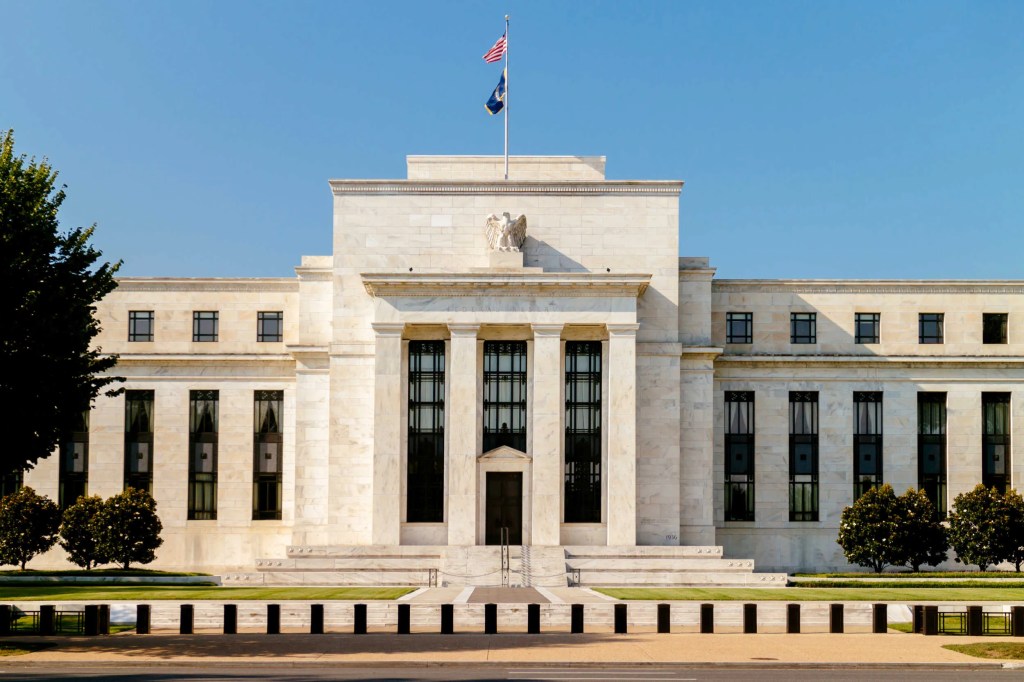
Central banks, led by institutions like the Federal Reserve, sit at the heartbeat of modern finance. They issue currency, influence interest rates, and manage liquidity. They shape government borrowing costs, ripple through corporate finance, and dominate market headlines. Yet for the value investor, their role is context, not control. They do not build productive businesses—they steward credit and stability. Understanding their origins, mandates, and limits allows you to see through market noise and focus on fundamentals.
Origins and Evolution
The concept of central banking stretches far back. Municipal banks, such as the Taula de Canvi de Barcelona (1401), issued notes and facilitated transactions, laying the groundwork for modern banking. The Bank of Amsterdam (1609) is often cited as an early central bank for issuing stable financial money.
The first national central bank is generally considered to be the Sveriges Riksbank (1668) in Sweden. Other early examples include the Bank of England (1694), created to fund government debt, and the First Bank of the United States (1791), designed to stabilize currency and manage national obligations. These institutions allowed states to manage debt, anchor trust in their currency, and coordinate fiscal needs.
Under the gold standard, currencies were backed by gold reserves, limiting discretionary monetary policy. Central banks could not freely print money without risking credibility. This constraint aligned their incentives with preserving trust in the currency rather than chasing economic growth or market exuberance.
In the twentieth century, the abandonment of the gold standard and the rise of fiat currency gave central banks far greater discretion. They could influence money supply, interest rates, and credit conditions more actively. Keynesian ideas took hold: governments and central banks embraced managing aggregate demand to smooth business cycles and reduce unemployment. Interest-rate cuts, large-scale asset purchases, and forward guidance became standard tools.
With this newfound freedom came the spectacle. Central bank decisions moved from background stability to market headlines. Every speech, rate change, or guidance announcement shifted capital across borders. Their power shifted from building factories to shaping expectations, risk premia, and investor behavior. Trust, perception, and timing became instruments of influence, rather than the production of goods or services.
Interplay Between Actors: Government, Treasury, Business, Households
Central banks operate within a web of actors with differing objectives and time horizons:
- Government and Treasury: The state issues debt, runs budgets, and relies on stable currency and credit. The central bank ensures borrowing remains credible and public finances do not collapse. In effect, the central bank is the country’s banker.
- Businesses: Firms respond to interest rates, credit availability, and monetary conditions, but their fortunes depend on demand, efficiency, and competitive advantage. Policy can make borrowing easier or harder but cannot guarantee innovation, customers, or success.
- Households: They react to employment, wages, inflation, and interest rates. Central banks can influence these, but they cannot ensure prudent saving or investment decisions.
- Markets and Investors: Investors interpret central-bank signals as predictors of liquidity and risk. Forward guidance may spark rallies, but value investors recognize these as reflections of policy timing, not improvements in business fundamentals.
This interplay underscores a key truth: central banks prioritize national stability, not individual prosperity. When systems strain, they safeguard currency, banks, and the state, even if households or investors suffer.
Real-World Examples of Priority and Limits
Paul Volcker (1979‑1987)
Faced with double-digit inflation in the U.S., Volcker raised the federal funds rate to nearly 20%. The result: a deep recession, higher unemployment, bankruptcies, and financial stress. Yet Volcker prioritized the national currency and financial system over short-term market comfort, preserving long-term stability.
Critique: Volcker illustrates that central banks act for the state, not individual prosperity. Short-term pain is often a byproduct of protecting the system.
Alan Greenspan (1987‑2006)
Greenspan’s 1996 “irrational exuberance” speech warned of overvalued equity markets. Despite this, he took minimal action against the dot-com bubble because the Fed’s mandate prioritized employment and price stability, not controlling asset prices.
Critique: Central banks can influence liquidity but cannot micro-manage speculative behavior. Bubbles can grow unchecked until systemic risk emerges.
Jerome Powell (2018‑present)
Powell faces similar constraints today with exuberance in tech, AI, and speculative assets. His actions—forward guidance, rate changes, and QE—focus on macro stability, not market perfection.
Critique: Powell shows that modern central banks are stewards, not wealth creators. QE and QT adjust liquidity but cannot prevent all booms or busts.
Synthesis: Central banks act primarily as shock absorbers. Even visible bubbles are often tolerated until they threaten the system. Expecting them to prevent every market excess or guarantee wealth misunderstands their design.
Dual Mandates, Trade-Offs, and the Policy Myth
Central banks face dual or multiple mandates: price stability, maximum employment, and financial-system stability. These goals often conflict. Stimulating demand increases inflation; constraining inflation may raise unemployment.
There is no magic switch. They cannot create employment without inflation, nor maintain price stability in a structural slowdown. Their tools rates, reserve requirements, asset purchases are indirect. They cannot redesign business models, alter consumer behavior, or create productive innovation.
QE and QT are often misunderstood. They do not engineer prosperity they adjust the hose of liquidity. Central banks provide water; they cannot decide which seeds grow.
Value Investor’s Lens: Rates, Signals, and Fundamentals
Interest-rate expectations matter, but they are secondary. The fundamental question for a value investor is: can this business grow profits, defend its moat, and generate free cash flow over decades?
Buffett: “Don’t forecast interest rates or the economy to make money.”
Munger: “Invert, always invert.” Strong fundamentals trump macro noise.
- Discount rates: Adjust valuation, do not change cash flows.
- Central-bank guidance: A signal, not a strategy.
- Time: Compounds; policy does not.
QE, QT, and forward guidance influence risk appetite and valuations in the short term, but they cannot make a bad business good. Obsession with “what the Fed will do next” distracts from what truly drives wealth: disciplined investment, prudent capital allocation, and compounding businesses.
What If Central Banks Were Absent?
Without central banks, crises would be deeper, recessions harsher, and liquidity freezes more destructive. Banking panics, currency collapses, and unchecked inflation would threaten households and businesses. Economic cycles would swing with far greater amplitude.
Central banks do not prevent booms. They dampen extremes, buying time for the system to self-correct and preventing localized issues from cascading into systemic collapse. Charlie Munger emphasizes their necessity: a world without them would likely see far worse outcomes, with liquidity crises crippling economies before the private sector could adjust.
Central banks are dampeners, not controllers; stabilizers, not builders. They reduce the severity of crises, maintain credit flow, and influence expectations but they cannot replace disciplined investment, prudent capital allocation, or real economic productivity.
My View
Central banks are essential shock absorbers. Democracies cushion the downside but tolerate upside exuberance, preserving incentives for innovation and risk-taking. I diverge from the China-style model of full-spectrum intervention: while it may prevent crises, it risks stifling markets, innovation, and price discovery.
For disciplined investors, the lesson is clear: central banks provide signals, context, and temporary stabilization but they do not determine which businesses will thrive. Wealth is built by understanding companies, their competitive moats, and letting time compound value. Central banks matter, but they are background actors, not the authors of investment success.


 BargaInvest Capital
Leave a reply to Himanshu Sharma Cancel reply