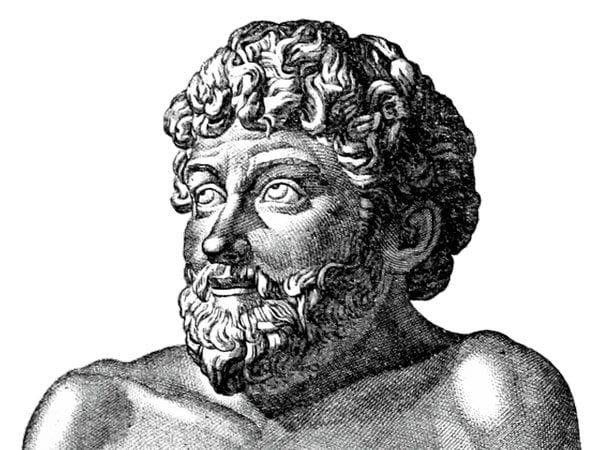
“A Bird in the Hand Is Worth Two in the Bush” — A Lesson from Aesop
More than two thousand years ago, Aesop captured a timeless truth with a simple phrase:
“A bird in the hand is worth two in the bush.”
On the surface, it’s common sense don’t give up what you have for something uncertain. But in investing, it’s a lesson worth paying attention to.
The value of what you already hold today often outweighs the uncertain promise of something bigger tomorrow.
It’s easy to chase the “next big thing,” tempted by potential gains just out of reach. But without careful thought, you could lose the sure thing — your bird in hand — chasing birds that may never be caught.
The Promise in the Bush
The “birds in the bush” are future returns what you hope to earn. Unlike the bird in your hand, they’re invisible until realized.
The question isn’t just whether you might get more. It’s how likely it is, and what quality of return you can expect.
The Simple Philosophy
Investing is a trade-off. You give up today’s pleasures in exchange for potential value in the future.
Does buying your dream car today bring more value than investing that money to grow wealth tomorrow? The answer depends on your priorities, timeline, and risk tolerance. Understanding opportunity cost what you’re giving up is essential.
How to Think About It When Investing
Buffett and Munger live by the principle behind Aesop’s proverb: don’t give up today’s certainty unless the future payoff is real, likely, and worth the wait.
Release your bird in hand your capital only when the payoff meets three key criteria:
- Probable, not just possible
The payoff isn’t a guess or a dream. It’s backed by a strong business, competent management, and a fair price with a margin of safety. - Real and measurable
Returns come from tangible business results earnings, cash flow, assets, liabilities — not hype or hope. - Within a realistic timeframe
The payoff should arrive when it actually matters to you. You want to enjoy the growth.
Why This Matters
Opportunity cost is the cousin of the bird-in-hand idea. Every time you swap a sure thing for a maybe, you’re not just betting on the maybe you’re giving up the sure thing forever.
A Simple Example
Imagine a stock paying a reliable 6% dividend for a decade. Steady, not flashy. You sell it to chase a tech IPO that could triple. Maybe it does. But maybe it crashes, leaving you with no bird at all — and no way to buy your old one back at the same price.
Closing Thoughts
We all naturally understand that a bird in hand is worth two in the bush. In investing, that simple truth gets more complicated when you consider opportunity cost, interest rates, and margin of safety.
In future posts, I’ll explore these ideas further to help you make smarter, more confident investing decisions.
Thank you for reading! In the next post, we’ll dive deeper into opportunity cost Subscribe to stay tuned.


 BargaInvest Capital
Leave a reply to wondrousc58466ec7e Cancel reply